

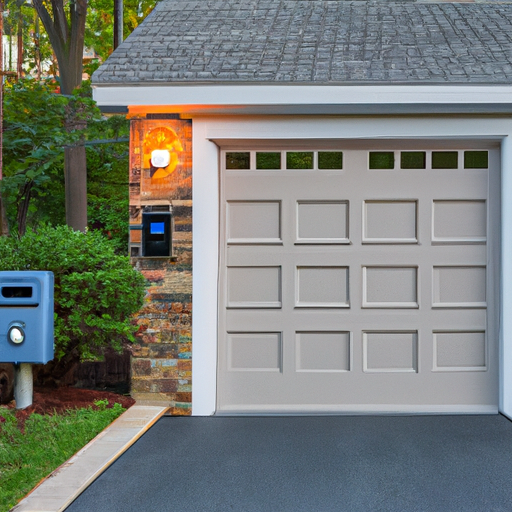
Smart upgrades for Short Hills homes
Homeowners in Short Hills, NJ want convenience and security. When you combine smart home devices with reliable garage door opener repair, you get faster diagnostics, remote control, and safer daily routines. This guide explains practical steps for integrating smart controls with existing openers, what to expect from a technician, and how local weather affects long-term performance.
Why combine smart home tech with garage door opener repair?
Smart integration turns a standard opener into a managed home device. During a typical garage door opener repair visit we can:
- Diagnose mechanical issues and ensure safe operation.
- Confirm electronics and wiring are ready for smart modules.
- Install compatible smart controllers or recommend retrofit kits.
That means fewer callbacks and an opener that works with voice assistants, mobile apps, and home automation scenes.
Compatibility checklist before you upgrade
Not every garage door opener is ready for a plug-and-play smart module. Before scheduling garage door opener repair and integration, check these items:
- Opener age — units older than 15 years often need replacement rather than retrofit.
- Safety sensors — photo eyes and reversal systems must pass safety checks.
- Wi‑Fi strength in the garage — many integrations need stable signal or a Wi‑Fi extender.
- Existing control wiring — technicians verify voltage and terminal compatibility.
Our service team tests these during a diagnostic visit and explains whether a retrofit or full opener replacement is more cost-effective.
Local considerations: Short Hills climate and timing
Short Hills winters and humid summers affect moving parts and electronics. Rusted springs, stiff rollers, and corroded connectors show up more often here, so plan a local-minded repair:
- Schedule preventative tuning in spring or early fall to avoid weather extremes.
- Insulate the garage and seal gaps to protect smart controllers from moisture.
- Ask about weatherproof smart modules if your garage is unconditioned.
Typical on-site garage door opener repair and smart integration work can take one to three hours depending on complexity. If the opener needs replacement, allow a half-day for removal and installation.
Common smart options and how they impact repair
Wi‑Fi controllers and bridge devices
Wi‑Fi modules allow app control and notifications. During repair we:
- Confirm the opener’s remote terminals are safe to tap into.
- Mount the module away from vibration and direct moisture.
- Test app pairing and set up notification preferences.
Smart keypads and secure entry
Keypads provide code-based access without sharing phone access. They require precise placement and wiring verification, tasks handled during a garage door opener repair visit.
Home automation platforms
Integration with platforms such as Apple HomeKit, Google Home, or Amazon Alexa often needs a compatible hub. We advise which platform works best with your opener model and will help link the device to routines or locks for layered security.
Cost, warranties, and permits — what Short Hills homeowners should know
Costs vary by scope. Typical ranges in the Short Hills area:
- Diagnostic visit and minor repairs: lower range (labor + small parts).
- Smart module installation and setup: moderate range, includes testing.
- Opener replacement plus smart integration: higher range due to equipment.
Ask technicians for a written estimate that breaks down parts, labor, and warranty coverage. Many manufacturers offer limited warranties on new openers and connected modules; labor warranties depend on the contractor. If you plan a complex electrical change, check with Millburn/Short Hills municipal codes — standard smart integrations typically don’t require permits, but larger electrical work might.
Step-by-step: smart integration during a repair visit
- Initial inspection: technician tests safety sensors, springs, rollers, and opener electronics.
- Determine retrofit feasibility: confirm compatibility and Wi‑Fi or hub needs.
- Perform mechanical repairs first: ensure safe, smooth operation before adding smart hardware.
- Install and mount smart controller or keypad; configure app and automation scenes.
- Final verification: cycle the door, test auto-reverse, and demonstrate app control.
We recommend keeping a short video or notes of the final setup for future troubleshooting.
Maintenance tips after smart integration
- Test safety reversal every month.
- Replace batteries in remotes and keypads annually.
- Keep sensors free of debris and aligned to maintain reliable operation.
- Check Wi‑Fi signal periodically; if the app drops, move the router or add an extender.
Routine maintenance reduces emergency calls and keeps smart features functioning properly.
How we work with Short Hills homeowners
We focus on clear communication for local residents. Before any garage door opener repair or smart upgrade we provide an on-site estimate, explain tradeoffs, and show you how the smart controls will behave day-to-day. For background reading and product updates, visit our blog. To schedule an inspection or ask about costs, use our contact page or review options under our services section.
Smart integrations increase convenience but should never compromise safety. Always pair electronics work with a full mechanical check so sensors and auto-reverse functions remain reliable.
Frequently asked questions
Q: Will adding a smart controller void my opener warranty?
A: Not always. Manufacturer warranties vary. During a garage door opener repair visit we check your model and advise if a third-party smart module will affect coverage or if a manufacturer-approved accessory is a safer choice.
Q: How long does integration take in Short Hills?
A: For a compatible opener, expect 1–3 hours for diagnostics, mechanical fixes, and smart setup. Full opener replacement plus integration typically takes a half-day. We schedule work to avoid freezing or peak heat when possible.
Q: Do I need a permit to install smart controls?
A: Most smart controllers are low-voltage changes that don’t require a permit in Essex County. If work includes new hardwired electrical circuits, we’ll flag that and advise if a permit is needed.
Q: What price range should Short Hills homeowners expect?
A: Local jobs range from modest costs for a diagnostic and smart module to higher expenses for a new, Wi‑Fi-ready opener plus integrated accessories. We provide itemized estimates and explain long-term savings like improved security and reduced emergency repairs.
Q: How does winter weather in NJ affect smart devices?
A: Cold and moisture can affect batteries, sensors, and connectors. We recommend weatherproof modules and seasonal checks to prevent failures during icy conditions.
Helpful local resources in Short Hills, NJ
- Garage Door Repair Hoboken
- Garage Door Repair Montclair
- Garage Door Repair Westfield
- Garage Door Repair Summit
- Garage Door Repair Maplewood
- Garage Door Repair Livingston
- Garage Door Repair Short Hills
- Garage Door Repair Princeton
- Garage Door Repair Red Bank
- Garage Door Repair Morristown
- Garage Door Repair Chatham
- Garage Door Repair Mendham
- Garage Door Repair Bernardsville
- Garage Door Repair Bedminster
- Garage Door Repair Clinton
- Garage Door Repair Tenafly
- Garage Door Repair Ridgewood
- Garage Door Repair Upper Saddle River
- Garage Door Repair Wyckoff
- Garage Door Repair Basking Ridge
- Garage Door Repair South Orange
- Garage Door Repair Teaneck
- Garage Door Repair Fort Lee
- Garage Door Repair East Brunswick
- Garage Door Repair Montvale
- Garage Door Repair Haddonfield
- Garage Door Repair Marlboro
- Garage Door Repair Cranford
- Garage Door Repair Voorhees
- Garage Door Repair North Caldwell

