

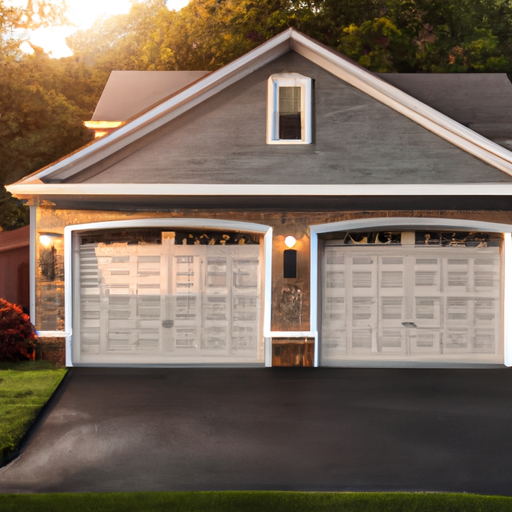
Homeowners in Short Hills, NJ face specific choices when planning a garage door replacement. Material selection affects curb appeal, energy efficiency, noise, and long-term value. This guide helps Short Hills residents compare common options and choose a material that fits the local climate and neighborhood style. For deeper project ideas and photos, see our blog for recent installs around Essex County.
Why material matters for garage door replacement
The right material affects four practical concerns: durability against coastal and seasonal weather, insulation and energy savings, maintenance time and cost, and appearance. In Short Hills, NJ winters bring freeze–thaw cycles and summer humidity — both influence how a door ages. When planning a garage door replacement, think about lifespan (how long before you replace again), maintenance (painting, sealing, rust control), and resale value.
Common materials: pros, cons, and local fit
Steel
Steel is the most common choice for a garage door replacement because it balances cost, strength, and low maintenance. Modern steel doors come in single- and double-layer panels, with optional insulation between layers.
- Pros: durable, cost-effective, available insulated models for energy savings.
- Cons: vulnerable to dents; requires good finish to resist rust in humid months.
- Local fit: a good match for Short Hills homes wanting a clean, traditional look with solid insulation ratings for colder months.
Aluminum
Aluminum doors are lightweight and resist rust, but they dent more easily than steel. Many contemporary designs use aluminum with glass inserts for a modern aesthetic.
- Pros: rust-resistant, modern look, lighter opener load.
- Cons: dents easily; may be less insulating unless paired with additional materials.
- Local fit: suitable for homeowners prioritizing contemporary curb appeal, especially on streets with more modern homes in Short Hills.
Wood
Wood doors offer a classic, high-end look that can boost curb appeal. They require regular painting or staining and are heavier than metal options.
- Pros: custom appearances, natural texture, high resale appeal.
- Cons: high maintenance; susceptible to moisture and warping if not properly sealed.
- Local fit: choose engineered wood or composite cladding if you want the wood look but need better moisture resistance in NJ’s humid summers.
Fiberglass and composite
Fiberglass and composite doors mimic wood grain without the same maintenance requirements. They resist rot and are lighter than solid wood.
- Pros: low maintenance, good resistance to moisture, available insulated options.
- Cons: can fade over time in direct sun; some models are more expensive up front.
- Local fit: excellent for homeowners who like the look of wood but want a lower-maintenance option for our seasonal climate.
Insulation, R-values, and energy savings
Insulation matters if your garage is attached, used as a workshop, or if you want to reduce heat transfer to the house. Insulated garage door panels typically include polystyrene or polyurethane cores. Polyurethane has a higher R-value per inch and provides better long-term energy performance.
- What to look for: check the R-value and the door’s U-factor. Higher R-values mean better resistance to heat flow.
- Noise and comfort: insulated doors run quieter and reduce drafts during Short Hills winters.
- Budget trade-off: insulated doors cost more up front but can lower heating bills if your garage is a conditioned buffer to your home.
Style, finish, and neighborhood considerations
Your choice should fit the architectural style of your house and neighborhood covenants, if any. Colonial, Cape, Tudor, and contemporary homes will each pair better with different materials and panel styles.
Finishes and paint are not cosmetic afterthoughts — they protect materials. For metal doors, choose a finish designed to resist peeling and rust. For wood, select high-quality stains and regular sealants suitable for NJ weather.
Hardware and windows
Windows and decorative hardware affect light, privacy, and look. Frosted or insulated windows retain privacy while adding natural light. Metal hardware should be corrosion-resistant for longevity in variable Short Hills weather.
Choosing a professional and scheduling the job
Garage door replacement is both a product and installation decision. A correct installation ensures balanced springs, aligned tracks, and proper weather-stripping — all of which prolong the door’s life. When evaluating contractors, ask for:
- Local references and examples of recent replacements nearby.
- Warranty specifics on both materials and labor.
- Permit handling — some Short Hills neighborhoods require permits for structural changes; a qualified installer will obtain them.
For a list of services and installation options we offer, visit our services page to compare models, insulation packages, and local warranty details.
Budgeting: expected ranges and lifecycle costs
Initial cost ranges vary by material and insulation. As a rough guide:
- Basic steel single-layer: lower upfront cost, minimal insulation.
- Insulated steel (double or triple-layer): moderate cost, good energy value.
- Aluminum with glass: moderate to high depending on glass and framing.
- Wood and custom composite: highest upfront cost, higher maintenance for true wood.
Factor in lifecycle costs: painting and sealing for wood, potential rust repair for low-quality steel, and dent repair for aluminum. Professional installation and a strong warranty can reduce long-term expenses.
Quick checklist for Short Hills homeowners
- Match material to your architectural style and HOA rules.
- Prioritize insulated models if the garage is attached or used often.
- Ask installers about local experience, permit handling, and warranties.
- Request written estimates that separate material, labor, and disposal fees.
Ready to schedule an on-site estimate? Our technicians know local building codes and common moisture issues in Short Hills. To book a visit, use our contact page or call directly from the button below.
Frequently Asked Questions — Short Hills, NJ
Q: Do I need a permit for a garage door replacement in Short Hills?
A: Most straight replacements that don’t change framing or openings don’t need a permit. If you widen the opening, change header supports, or alter electrical wiring, the Township of Millburn/Short Hills typically requires permits. Ask your installer to confirm and file any required paperwork.
Q: How long does a typical garage door replacement take?
A: A standard single-door replacement with pre-ordered materials usually takes 3–6 hours on site. Custom doors, structural changes, or insulation upgrades can extend the job to a day or two. Weather and parts lead times may add scheduling days in winter.
Q: What price range should Short Hills homeowners expect?
A: Basic steel doors start at lower price points, often under $1,000 installed, while insulated steel or aluminum runs higher. Wood or composite custom doors frequently exceed $2,000–$4,000. Costs vary with insulation, hardware, and opener upgrades.
Q: Which materials hold up best to NJ weather?
A: Insulated steel and composite doors resist moisture and temperature swings well. If you prefer wood aesthetics, choose engineered or composite cladding for better moisture resistance in humid summers and freeze–thaw winters.
Q: What warranty should I expect for materials and labor?
A: Manufacturers often offer 5–10 year warranties on panels and 1–5 years on hardware. Reputable installers provide a separate labor warranty (commonly 1 year). Get all warranty terms in writing and keep invoices for claims.
Helpful local resources in Short Hills, NJ
- Garage Door Repair Hoboken
- Garage Door Repair Montclair
- Garage Door Repair Westfield
- Garage Door Repair Summit
- Garage Door Repair Maplewood
- Garage Door Repair Livingston
- Garage Door Repair Short Hills
- Garage Door Repair Princeton
- Garage Door Repair Red Bank
- Garage Door Repair Morristown
- Garage Door Repair Chatham
- Garage Door Repair Mendham
- Garage Door Repair Bernardsville
- Garage Door Repair Bedminster
- Garage Door Repair Clinton
- Garage Door Repair Tenafly
- Garage Door Repair Ridgewood
- Garage Door Repair Upper Saddle River
- Garage Door Repair Wyckoff
- Garage Door Repair Basking Ridge
- Garage Door Repair South Orange
- Garage Door Repair Teaneck
- Garage Door Repair Fort Lee
- Garage Door Repair East Brunswick
- Garage Door Repair Montvale
- Garage Door Repair Haddonfield
- Garage Door Repair Marlboro
- Garage Door Repair Cranford
- Garage Door Repair Voorhees
- Garage Door Repair North Caldwell

